5 Essential Facts About Amazonian Mushroom You Need to Know
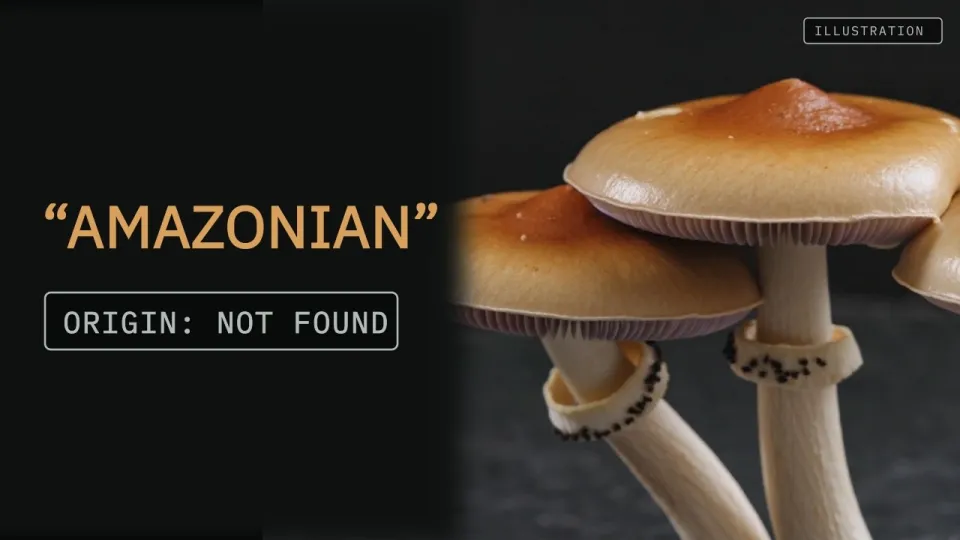
Video: Amazonian Mushroom: Following the Paper Trail Behind the Name
· based on the channel Shroomverse
Key takeaways
- The Amazonian mushroom refers to Psilocybe cubensis from the Amazon region.
- Its scientific name was established through historical paper trails.
- Misidentifications and naming confusion have occurred over time.
- The mushroom has cultural and psychoactive significance in Amazonian tribes.
- Research and taxonomy continue to evolve, clarifying its classification.
Amazonian mushroom is a term commonly used to describe the psilocybin-containing fungi native to the Amazon rainforest, especially Psilocybe cubensis strains originating there. Understanding the Amazonian mushroom involves tracing the scientific and cultural history behind its name and classification. This article outlines five essential facts that clarify the origins, taxonomy, and significance of the Amazonian mushroom.
1. Origin and Identification of Amazonian Mushroom
The Amazonian mushroom primarily refers to Psilocybe cubensis varieties found in the Amazon basin. These mushrooms are notable for their psychoactive properties due to psilocybin content. The name "Amazonian" reflects the geographic origin, but its scientific identification has historically involved confusion with other species. Early mycologists documented specimens from the region, but inconsistencies in descriptions led to multiple synonyms and misclassifications 02:15.
2. The Paper Trail Behind the Name
Tracing the paper trail means examining scientific publications and herbarium records that contributed to the official naming of the Amazonian mushroom. The name Psilocybe cubensis was first validly published in the mid-20th century, but earlier specimens collected in the Amazon were sometimes mislabeled or assigned different species names. The video "Amazonian Mushroom: Following the Paper Trail Behind the Name" details how researchers identified the proper classification by reviewing historical literature and specimen archives 05:40.
3. Taxonomy Challenges and Synonyms
Taxonomy of the Amazonian mushroom is complex due to overlapping morphological features with other Psilocybe species. The mushroom has been called by various names in different regions, causing confusion in scientific and popular literature. Modern genetic analyses have helped clarify these relationships, confirming that the Amazonian mushroom is a distinct strain within the Psilocybe cubensis group. However, some older papers still propagate outdated names, which requires careful cross-referencing 10:10.
4. Cultural and Psychoactive Importance
Indigenous Amazonian tribes have used these mushrooms for spiritual and medicinal purposes for centuries. The psychoactive effects of the Amazonian mushroom have attracted ethnomycologists who study traditional uses and rituals. This cultural context adds value to the mushroom beyond its taxonomy and scientific naming, highlighting its role in Amazonian heritage and modern psychedelic research 14:30.
5. Ongoing Research and Conservation
Research on the Amazonian mushroom continues to evolve, with new findings on its genetics, ecological role, and potential therapeutic applications. Conservation of Amazon rainforest habitats is critical to preserving the natural populations of these mushrooms. Scientists emphasize the need for sustainable practices to ensure that the Amazonian mushroom remains accessible both for research and traditional use 18:55.
Conclusion
The Amazonian mushroom is more than just a psychedelic fungus; it represents a complex intersection of taxonomy, culture, and science. By following the historical paper trail behind its name, researchers have clarified its classification and underscored its significance. The Shroomverse channel provides an insightful exploration of this topic, offering valuable perspectives on the Amazonian mushroom's identity and legacy.
For more detailed analysis and historical context, the Shroomverse video "Amazonian Mushroom: Following the Paper Trail Behind the Name" is a recommended resource.
Questions & answers
What species does the term Amazonian mushroom usually refer to?
The term Amazonian mushroom typically refers to strains of Psilocybe cubensis found in the Amazon rainforest, known for their psilocybin content.
Why has the naming of the Amazonian mushroom been confusing historically?
Naming confusion arose due to misidentifications, synonyms, and inconsistent descriptions in early scientific literature before molecular methods clarified its taxonomy.
How have indigenous Amazonian tribes used these mushrooms?
Indigenous tribes have used Amazonian mushrooms traditionally for spiritual rituals and medicinal purposes, recognizing their psychoactive properties.
What is the importance of conserving Amazon rainforest habitats for these mushrooms?
Conservation is vital to protect the natural populations of Amazonian mushrooms, ensuring their ecological role and availability for cultural and scientific use.
Source: Amazonian Mushroom: Following the Paper Trail Behind the Name · Markdown version